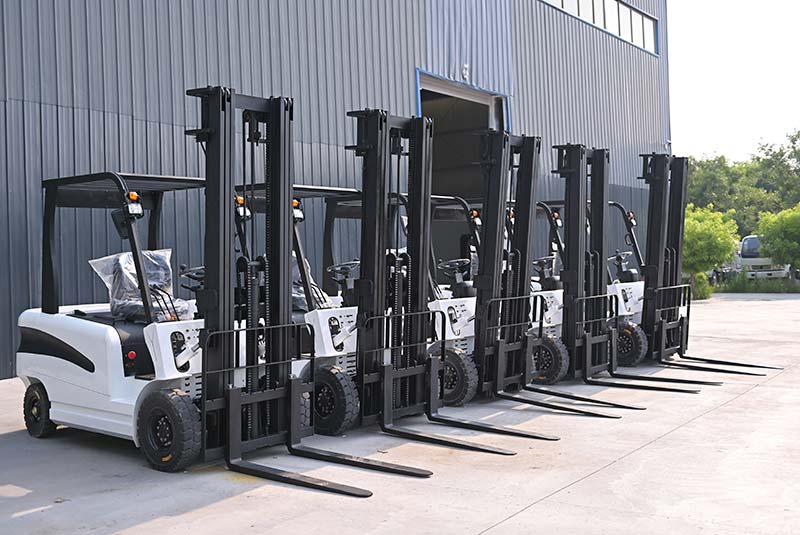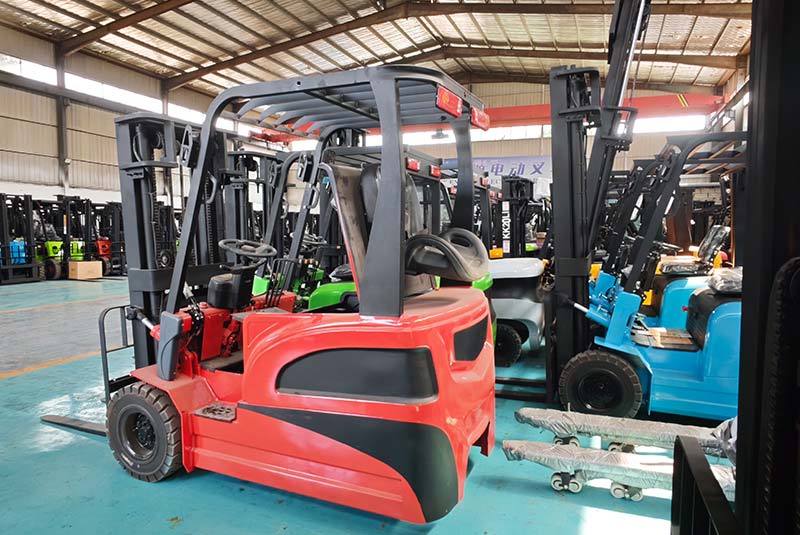
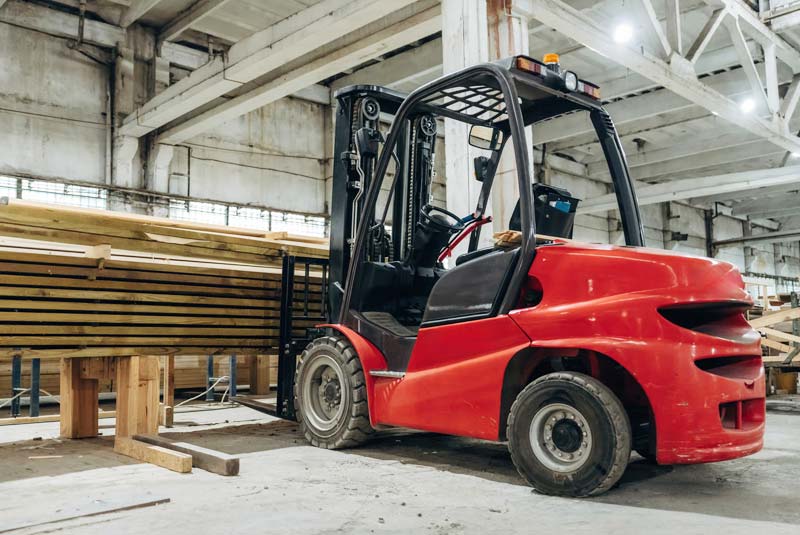
The material handling industry is entering a new stage of digital development. Electric forklifts are no longer simply battery-powered machines used to move pallets. With intelligent control systems, sensors, telematics, and data-management technologies, modern electric forklifts are becoming connected components of the smart warehouse.
For manufacturers, distributors, logistics companies, and warehouse operators, these technologies can provide new ways to improve equipment utilization, maintenance planning, energy management, and operational safety.
From Mechanical Equipment to Connected Assets
Traditional forklift management often depends heavily on manual inspections, operator experience, and scheduled maintenance.
Connected electric forklifts can provide much more operational information.
Depending on the equipment and system configuration, fleet managers may be able to monitor operating hours, battery condition, charging status, utilization, maintenance information, and other equipment data.
This allows businesses to better understand how individual forklifts are being used across the facility.
For example, data may reveal that certain forklifts are operating continuously while others remain underutilized. Managers can then adjust equipment allocation before deciding whether additional machines are necessary.
Smarter Energy Management
As warehouses add more electric forklifts, energy management becomes increasingly important.
Charging an entire fleet simultaneously can create high electricity demand during certain periods. By combining battery data with intelligent charging strategies, warehouses can schedule charging more efficiently and reduce unnecessary peak loads.
Toyota Material Handling Europe identifies smart and opportunity charging, energy monitoring, digital control, and on-site energy storage as important elements in the changing logistics energy environment.
This means the future warehouse may manage forklift charging as part of a broader facility-wide energy strategy.
Predictive and Preventive Maintenance
Connected equipment can also support more efficient maintenance planning.
Instead of relying entirely on fixed service intervals, operating data can help maintenance teams understand actual equipment usage and identify potential service requirements earlier.
For businesses operating multiple forklifts, this can help organize maintenance more effectively, reduce unexpected interruptions, and improve equipment availability.
Battery telemetry is becoming particularly valuable because the battery represents a major component of an electric forklift’s performance and operating cost. Monitoring charging patterns, degradation, temperature, and usage can help fleet managers make more informed decisions throughout the battery lifecycle.
Electric Forklifts and Warehouse Automation
Electrification also fits naturally with warehouse automation.
Automated guided vehicles, autonomous forklifts, intelligent pallet transport systems, and conventional operator-driven electric forklifts can increasingly operate within the same material handling environment.
Rather than requiring every warehouse to become fully automated, businesses can introduce automation gradually. Repetitive transportation routes may be automated first, while conventional electric forklifts continue to handle loading, stacking, irregular loads, and other tasks requiring operator judgment.
What Buyers Should Consider
When purchasing an electric forklift today, buyers should look beyond basic specifications such as lifting capacity and lifting height.
Battery technology, charging method, controller performance, diagnostic functions, operator safety features, parts availability, after-sales support, and fleet-management capabilities can all influence long-term operating performance.
A forklift that matches the actual working environment can provide greater value than simply selecting equipment based on initial purchase price.
Building the Next Generation of Material Handling
Electric forklifts are developing alongside lithium batteries, digital fleet management, automation, and intelligent energy systems.
For warehouses and factories, this transformation creates an opportunity to build material handling operations that are cleaner, more connected, easier to manage, and better prepared for future automation.
As intelligent technologies continue to develop, the electric forklift is evolving from an individual piece of equipment into an important part of the modern smart warehouse.